Views: 0 Author: Site Editor Publish Time: 2026-07-24 Origin: Site


The textile manufacturing sector is undergoing a massive transformation worldwide. High-performance, water-based formulations are quickly replacing legacy solvent systems across factory floors. Stricter environmental, social, and governance (ESG) regulations drive this inevitable shift. Evolving consumer demands for sustainable products also accelerate these changes. Selecting the right polymer system poses a major challenge for facility managers. Production engineers must perfectly balance fabric hand-feel, long-term durability, and strict regulatory compliance. They must also ensure processing compatibility without disrupting existing continuous coating lines.
This guide gives technical buyers and production teams a strict, evidence-based evaluation framework. You will learn how to confidently evaluate and shortlist modern polymer solutions. We cover critical performance metrics, non-negotiable compliance baselines, and common factory processing risks. Following this framework guarantees a seamless transition and successful factory implementation.
Formulating with the correct glass transition temperature (Tg) is the primary driver of the final fabric's hand-feel and flexibility.
Transitioning to water-based acrylic emulsions eliminates VOC compliance risks but requires strict control over curing temperatures and viscosity.
Successful evaluation depends on testing three critical pillars: substrate adhesion, wash/dry-clean resistance, and mechanical stability under shear stress.
Shortlisting a supplier requires looking beyond data sheets to assess batch-to-batch consistency and technical support for scale-up implementation.
Glass transition temperature dictates the fundamental physical state of your polymer film. It defines the exact point where a polymer changes from a hard state to a rubbery state. There is a strict inverse relationship between film hardness and flexibility. A higher Tg creates a rigid, tough film. A lower Tg yields a highly flexible, soft finish.
You must select the Tg based on your specific end-use application. Apparel finishes demand maximum comfort and drape. For soft garments, you typically need a Tg ranging from -30°C to -10°C. Technical textiles require entirely different physical properties. Awnings, tent materials, and industrial fabrics need high structural integrity. These rigid applications often require a Tg between +10°C and +30°C. Formulators achieve these targets by balancing hard monomers like methyl methacrylate against soft monomers like butyl acrylate.
Excellent substrate adhesion relies heavily on advanced cross-linking capabilities. The polymer matrix must bond securely to the underlying fabric substrate. Modern polymers utilize self-crosslinking mechanisms triggered by heat. Some extreme applications require external cross-linkers like melamine or isocyanate resins to boost bond strength.
We always advise rigorous empirical substrate testing. Natural fibers behave very differently than synthetic materials. Cotton features highly porous, hydrophilic surfaces. Polyester presents smooth, hydrophobic challenges. You must verify peel strength through direct laboratory trials. Do not assume universal adhesion across all fabric blends.
Apply the coating using standard drawdown bars.
Cure the fabric at production temperatures.
Perform T-peel tests to measure exact bond strength.
Analyze the failure mode to ensure cohesive rather than adhesive failure.
Wash and chemical resistance separate premium commercial products from cheap alternatives. The industry expects strict performance against environmental and mechanical stress. Hydrostatic pressure testing measures the fabric's ability to block water penetration. You should benchmark results against ISO 811 standards.
Garments labeled for dry cleaning require intense solvent resistance. Perchloroethylene rapidly degrades weak polymer networks. You must formulate dense cross-linked films to block solvent absorption. Furthermore, multi-cycle wash durability determines consumer lifespan. Standard AATCC test methods dictate repeated washing under high agitation and elevated temperatures. High-quality polymers resist cracking, peeling, and blistering across dozens of severe wash cycles.
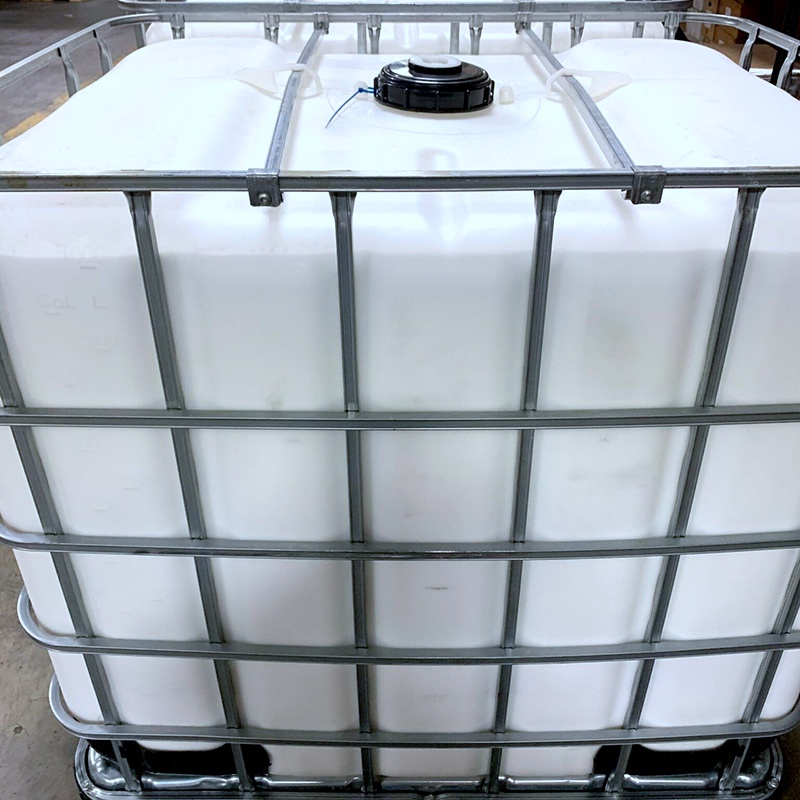
The transition to water-based systems represents a permanent industry shift. Legacy solvent-based coatings carry severe workplace fire hazards. They also emit dangerous volatile organic compounds (VOCs) into the atmosphere. Modern water-based polymers eliminate these massive safety risks entirely.
Water-based chemistry offers excellent ESG profiles for forward-thinking factories. By removing hazardous solvents, facilities lower their insurance premiums. They also protect worker respiratory health. When upgrading lines, sourcing a compliant acrylic textile coatings solution provides identical performance without the heavy environmental toll. Advanced hydrophobic monomers now match the extreme water repellency previously unique to solvent chemistry.
Global regulatory frameworks establish non-negotiable compliance markers for international supply chains. Brands demand strict adherence to regional chemical laws. In Europe, REACH regulations strictly control hazardous substance limits. Your formulations must comply with REACH Annex XVII restrictions.
Consumer safety drives secondary certification requirements. Products often require OEKO-TEX Standard 100 certification for skin contact approval. Additionally, ZDHC (Zero Discharge of Hazardous Chemicals) guidelines push supply chains toward cleaner wastewater. You must document all chemical inputs carefully. Failure to meet these frameworks blocks your products from entering lucrative international markets.
Certain legacy chemicals face intense global regulatory scrutiny today. Formaldehyde causes severe skin sensitization and poses known carcinogenic risks. Alkylphenol ethoxylates (APEO) disrupt aquatic endocrine systems. Major apparel brands outright ban both chemicals from their supply chains.
Verifiable "free-of" certifications protect consumer health directly. They also mitigate massive downstream liability for manufacturers. You must demand explicit documentation from your chemical suppliers. The polymer must be synthesized without APEO surfactants. It must also utilize formaldehyde-free cross-linking agents. Skipping this verification step exposes your brand to costly product recalls.
Viscosity and rheology control directly dictate application success. Factory operations face specific fluid dynamic risks during high-speed runs. Shear-thinning behavior can cause severe coating bleed-through on porous fabrics. Conversely, shear-thickening can permanently damage expensive doctor blades under high tension.
You must exactly match the fluid rheology to your specific application method. Knife-over-roll setups demand different flow characteristics than rotary screen printing. Proper formulation prevents costly line downtime. A stable textile coating emulsion resists mechanical shear stress inside factory pumping systems. This ensures smooth, uniform film weights across miles of fabric production.
Curing profiles heavily influence your daily operational energy consumption. The drying ovens consume massive amounts of factory gas or electricity. Low-temperature curing mechanisms save significant energy costs. However, premature curing can severely compromise final cross-linking density.
High-temperature curing ensures maximum durability and wash resistance. You must balance this thermal trade-off carefully. Most standard polymers require curing zones between 130°C and 160°C. Track the dwell time meticulously. If the fabric runs too fast, the core moisture fails to evaporate. This leaves the polymer film weak and highly susceptible to wash failures.
Compatibility with external additives presents another major formulation hurdle. Chemists constantly blend base polymers with functional modifiers. They add thickeners to adjust flow properties. They incorporate flame retardants to meet safety codes. Fluorocarbon water repellents also frequently enter the mix.
You must monitor system pH levels closely during compounding. Ignoring ionic charge compatibility leads to sudden, irreversible disaster. Blending an anionic polymer with cationic softeners causes immediate emulsion coagulation. This rapid crash ruins entire production batches instantly. Always test additive compatibility in small laboratory beakers before scaling up to massive mixing tanks.
Batch consistency defines true quality assurance in chemical manufacturing. You must review the Certificate of Analysis (CoA) for every single delivery. The CoA must demonstrate highly controlled tolerance bands. Wild variations disrupt your entire production process.
Fluctuating solid contents alter your dry coating weight dramatically. Extreme pH shifts cause sudden additive crashes in your mixing tanks. Unstable particle size distributions ruin film clarity and gloss levels. We recommend tracking supplier consistency over time.
Essential Quality Control Metrics
Metric | Standard Range | Impact on Production |
|---|---|---|
Solid Content | 40% - 55% | Dictates final film weight and drying oven energy requirements. |
pH Level | 7.0 - 9.0 | Determines stability when blending with alkaline thickeners. |
Viscosity (cps) | 50 - 500 (Base) | Influences pumpability and initial penetration into the fabric. |
Particle Size | 100 - 300 nm | Affects film gloss, clarity, and substrate penetration depth. |
Choosing between customization and off-the-shelf options requires careful strategic thought. Standard formulations suffice for basic apparel finishing and simple home textiles. These products offer rapid availability and extensive historical performance data.
Niche functional textiles often demand something highly unique. Extreme UV resistance might require a custom-synthesized copolymer backbone. Medical barrier fabrics often need heavily modified molecular structures to block viral penetration. We recommend standard products for rapid, low-risk deployment. Choose custom engineering only when obvious technical gaps appear. Sourcing the proper acrylic emulsion for textiles guarantees long-term manufacturing stability.
Lab-to-line scalability requires a cautious, phased approach. Start every new project with a bench-scale drawdown test. Use a standard Meyer bar on a glass plate or fabric swatch. This simple step validates basic film formation and initial hand-feel.
Never commit to a full factory pilot run blindly. Bench testing highlights obvious defects like surface crazing or severe discoloration. Once the lab results pass, move to a narrow-width sample machine. This intermediate step checks oven dwell times before you risk tons of expensive fabric on the main production line.
Supplier technical support provides immense, tangible value during scale-up. Your chemical partner should offer active on-site troubleshooting. Factory environments introduce variables impossible to replicate in a laboratory. Humidity shifts and ambient temperatures affect drying rates drastically.
Rheology adjustments often require real-time chemical expertise. Initial production rollouts frequently expose hidden formulation flaws. Having a seasoned polymer chemist standing by your coating head prevents catastrophic waste. They can adjust thickener ratios on the fly. Prioritize suppliers who view the relationship as a true technical partnership.
Requesting samples properly streamlines the entire evaluation process. Do not just ask a supplier for a wet liquid sample. Demand comprehensive documentation immediately. Require the official Technical Data Sheet (TDS) to verify base properties.
Request the Material Safety Data Sheet (MSDS) for compliance checks.
Ask for recommended starting formulations tailored to your specific application method.
Request a minimum of 5 kilograms to run proper lab and initial pilot tests.
Specify your exact fabric substrate so they can recommend the perfect Tg match.
The ideal polymer system perfectly balances high technical performance, strict regulatory compliance, and factory operational efficiency. Success requires careful attention to glass transition temperatures, curing profiles, and precise rheology management. Formulators must respect the intricate chemistry between base polymers and external additives. Rigorous lab testing and phased scale-up trials remain absolutely non-negotiable steps. Pilot runs validate your bench-scale assumptions long before full-scale factory adoption. We encourage you to consult with technical specialists to map out your exact requirements. Request a tailored product recommendation based on your unique curing ovens. Order comprehensive testing samples today to begin your fabric substrate trials immediately.
A: The industry standard typically ranges between 40% and 55%. This specific solid content directly impacts your applied coating weight. Higher solids reduce the amount of water you must evaporate, which decreases drying time and lowers oven energy consumption. It also improves overall shipping transport efficiency.
A: Acrylics generally offer exceptional UV stability, better resistance to yellowing, and high cost-efficiency. PU formulations typically cost more but provide superior physical abrasion resistance. PU also maintains better extreme low-temperature flexibility, making it preferable for specific rugged outdoor gear.
A: Yes. Advanced cross-linking technologies use precise hydrophobic monomers. Modern water-based systems easily meet or exceed legacy solvent performance metrics. They achieve intense hydrostatic pressure resistance and durable water repellency while completely eliminating hazardous VOC emissions.
A: Standard expectations range from 6 to 12 months in sealed containers. You must strictly control storage realities. The liquid must be protected from winter frost and extreme summer heat. Freezing temperatures cause irreversible emulsion coagulation, instantly ruining the entire batch.


