Views: 0 Author: Site Editor Publish Time: 2026-07-20 Origin: Site


Bonding modern plastics and foams requires a delicate balance. You must achieve strong adhesion without destroying the substrate's structural integrity. Manufacturers face constant challenges when mating dissimilar or highly sensitive materials. Incorrect solvent choices often cause catastrophic production failures. Harsh chemicals can melt cellular foam instantly on the assembly line. Low surface energy makes PET bonding frustratingly weak, leading to structural gaps. Meanwhile, plasticizer migration in flexible PVC degrades bonds over time, creating a gummy mess.
This article provides a strict, technical evaluation framework. We will help you match solvent-based solutions specifically to these chemically sensitive materials. Procurement and engineering teams can use this guide to minimize costly trial-and-error. You will learn to navigate VOC compliance effectively. By the end, you will know how to select the exact formulation required for durable, high-performance assembly.
Foam requires fast flash-off times: Standard solvents will dissolve polystyrene and polyurethane foams; specialized formulations or specific application methods are required.
PET demands surface energy modification: Bonding PET/PETG relies on aggressive solvent "bite" or specialized primers to create structural holds.
PVC requires plasticizer resistance: An acrylic solvent based adhesive is the industry standard for flexible PVC to prevent bond degradation over time.
Application format matters: Liquid, spray, and solvent based adhesive tapes each serve distinct assembly scalability and production line speeds.
Selecting an adhesive begins with understanding substrate vulnerabilities. Each material possesses distinct chemical weaknesses. You must establish a technical baseline before choosing a bonding agent. Recognizing why bonds fail helps engineers avoid repeating common manufacturing mistakes.
Foam substrates present a unique chemical challenge. Expanded polystyrene (EPS) and extruded polystyrene (XPS) contain delicate cellular structures. Harsh solvents act as highly corrosive agents. They attack the thin cell walls immediately upon contact. The foam structure collapses and melts.
This melting happens before the adhesive can even begin to cure. You lose the physical substrate completely. Polyurethane foams offer slightly better chemical resistance. However, they still suffer under heavy solvent saturation. Applying standard industrial adhesives to these materials results in catastrophic failure. The liquid carrier eats away the core material. It leaves behind a hollowed-out cavity instead of a strong bond line.
Polyethylene Terephthalate (PET) introduces an entirely different problem. PET and its glycol-modified variant (PETG) feature notoriously low surface energy. We measure surface energy in dynes per centimeter. Materials with low dyne levels exhibit a "non-stick" profile. They resist chemical wetting.
Standard liquid adhesives bead up on PET surfaces. They behave like water on a freshly waxed car. The adhesive never flattens out to cover the surface area. This lack of wet-out prevents chemical interlocking. It creates frustratingly weak bonds. Parts easily snap apart under minimal stress. You cannot rely on standard tack alone for long-term structural holds.
Flexible PVC creates long-term reliability issues. Manufacturers add plasticizers to PVC to make it flexible. These chemical additives are highly mobile. They migrate to the material's surface over time. Temperature fluctuations accelerate this migration process.
When plasticizers reach the surface, they interact with the adhesive layer. They mix directly into standard rubber-based or weak solvent formulations. This interaction softens the glue. It turns once-solid adhesives into a gummy, failing mess. Edge curling on flexible banners usually points to this exact failure. You must anticipate this chemical migration to ensure bond longevity.
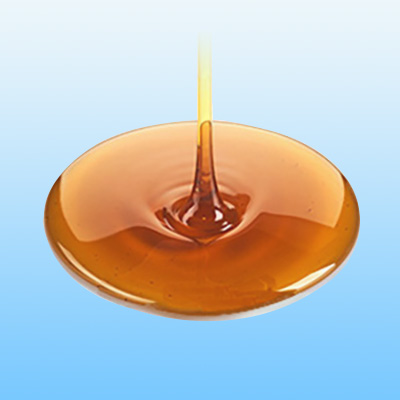
Acrylic polymers suspended in solvents offer specific technical advantages. They remain the go-to solution for difficult plastics. This combination balances aggressive tack with long-term chemical stability. Understanding the formulation helps you match it to production demands.
Standard rubber adhesives degrade easily under chemical stress. Acrylic formulations perform differently. Manufacturers synthesize acrylic polymers specifically for harsh environments. They dissolve these solid polymers into a liquid solvent carrier. The solvent serves a temporary role. It transports the acrylic solids to the substrate surface. Once applied, the solvent evaporates. It leaves behind a pure, highly durable acrylic polymer network.
This polymer network delivers an exceptional performance profile. It provides superior UV resistance for outdoor applications. Sunlight will not yellow or embrittle the bond line easily. Furthermore, it offers inherent resistance to chemical migration. This makes an acrylic solvent based adhesive the ideal choice for demanding environments. It actively blocks plasticizers from destroying the chemical cross-links. You get long-term durability that rubber alternatives simply cannot match.
The application method impacts scalability and substrate safety. You must choose the right delivery mechanism for your specific assembly line.
Liquid/Brush-on: This format delivers high coating weights. It works best for high-strength, structural needs. You use it when mating rigid, non-porous parts together.
Spray Adhesives: Spraying atomizes the liquid into fine particles. It proves ideal for sensitive foams. Rapid solvent evaporation (flash-off) occurs in the air. This prevents structural melting upon contact.
Tape Formats: Film carriers coated with adhesive offer supreme consistency. Using solvent based adhesive tapes provides immediate handling strength. It ensures uniform thickness for clean manufacturing environments. Workers avoid liquid mess entirely.
You must evaluate adhesive chemistry alongside substrate physics. A single formulation rarely works for everything. We use specific evaluation dimensions to ensure proper mating. The following framework details how to approach each distinct material.
Foam requires strict chemical management. You must prioritize the integrity of the cellular structure above all else. Aggressive chemical carriers will destroy your parts.
Criteria: You must use low-solvent or fast-tack formulations. The carrier liquid must disappear rapidly.
Rule of Thumb: High-solids spray formulations represent the safest choice. The equipment sprays a wide, fine pattern. The solvent flashes into the air during this transit. It evaporates before hitting the target. This allows the adhesive solids to rest gently on the foam. You achieve high tack without chemical burn. If you must use liquids, test a hidden area first. Observe it for 24 hours to check for delayed cellular collapse.
Low surface energy requires a different tactic. You cannot rely on gentle adhesion. You need a formulation that alters the surface physically.
Criteria: The formulation requires specific aggressive solvents. Chemicals like methyl ethyl ketone (MEK) or specialized acrylic blends work well. They slightly craze the PET surface. They "bite" into the smooth plastic. This creates a microscopic texture. The adhesive flows into these new crevices. It establishes a strong micro-mechanical interlock.
Testing Matrix: Do not trust initial tack on PET. You must evaluate lap shear strength after a full cure. Apply the adhesive and mate the parts. Wait exactly 72 hours. Then, subject the joint to mechanical stress testing. Only then can you verify the true structural hold.
Flexible vinyl demands defensive adhesive chemistry. You must protect the bond line from internal chemical attacks. The substrate itself is the enemy.
Criteria: You face an absolute necessity for plasticizer-resistant formulations. Rubber adhesives will fail here 100% of the time. You need highly cross-linked acrylics to block the migrating oils.
Application Case: Graphic installations face severe environmental stress. Flexible banners endure wind, heat, and UV load. Temperature spikes accelerate plasticizer movement. Using a dedicated solvent based adhesive vinyl prevents the edges from curling. It stops the adhesive from breaking down under these combined loads. The acrylic base remains firm and stable for years.
Engineers must acknowledge when solvent adhesives are not the right choice. Making balanced claims ensures better manufacturing decisions. Every technology carries distinct trade-offs. We must compare them objectively based on production reality.
Review the Adhesive Technology Comparison Matrix below. It summarizes the core differences between these three dominant categories.
Technology Type | Tack Speed | Foam Safety | Plasticizer Resistance | VOC Emissions |
|---|---|---|---|---|
Water-Based (Aqueous) | Slow | High (Very Safe) | Moderate | Zero / Very Low |
Hot Melt | Instant | Low (Melts Foam) | Poor | Zero |
Solvent-Based | Fast | Varies (Needs Spray) | Excellent (Acrylics) | High |
Water acts as the carrier instead of harsh chemicals. This provides distinct environmental advantages.
Pros: They generate zero VOCs. They are entirely foam-safe. They help facilities remain environmentally compliant without expensive exhaust systems.
Cons: They suffer from slow drying times. Water evaporates much slower than chemical solvents. Furthermore, they require at least one porous substrate to cure properly. The water needs an escape route. They fail completely in plastic-to-plastic bonds where moisture gets trapped.
Hot melts use heat to liquefy solid thermoplastics. They cure by simply cooling down.
Pros: They offer instant grab. They facilitate extreme production speed on automated lines.
Cons: They present a severe thermal distortion risk for thin PET or PVC films. The heat warps the plastic. Additionally, they easily melt foam substrates if the application temperature runs too high.
These rely on volatile chemicals to transport the solid polymers.
Pros: They deliver aggressive initial tack. They boast excellent non-porous material compatibility. They provide the highest weatherability for outdoor applications.
Cons: They require dedicated ventilation. Facilities must follow strict storage protocols for flammable goods. They demand careful substrate matching to prevent chemical damage.
Transitioning from bench testing to production floors introduces new variables. Small-scale success does not guarantee scalable manufacturing. You must manage experience and risk carefully. Focus on standardizing your application protocols.
Adhesive failure often stems from poor surface preparation. Solvents need clean access to the substrate surface. Dust, mold-release agents, or fingerprints block this access.
Standard Cleaning: Implement strict isopropyl alcohol (IPA) wipe procedures. Workers must clean parts thoroughly and let the alcohol flash off completely.
Energy Modification: Low-energy plastics often require extra help. You might need corona or plasma treatment. These electrical treatments oxidize the surface temporarily. They raise the dyne level long enough for the adhesive to wet out properly.
Solvent usage triggers strict environmental oversight. You cannot ignore regional emission regulations. Organizations like the EPA (in the US) or REACH (in Europe) monitor volatile organic compounds strictly.
Implementing proper exhaust systems is mandatory. You must capture evaporating fumes effectively. This protects worker health and prevents explosive fume buildup. Store chemical drums in fire-rated cabinets. Ground all dispensing equipment to prevent static sparks.
You must factor precise timing into your manufacturing workflow. Solvent adhesives do not behave like instant superglues.
First, calculate the flash-off time. This is the period required for initial solvent evaporation before mating the parts. Mating too early traps wet solvent, causing bond failure. Next, monitor the open time. This dictates your working window before the adhesive skins over. Finally, account for the final cure. Complete solvent evacuation and polymer cross-linking often takes 24 to 72 hours. Do not stress-test parts before this window closes.
Choosing the correct bonding agent eliminates assembly line guesswork. Our shortlisting logic revolves around three primary rules. First, protect sensitive foam structures with fast flash-off application methods. Second, bite into low-energy PET plastics using aggressive chemical solvents. Finally, defend your joints against PVC plasticizers by specifying durable acrylic bases.
We strongly advise against blind procurement. Never purchase bulk adhesives based on generic marketing claims. Encourage your engineering teams to request material-specific technical data sheets (TDS). Read the chemical compatibility sections thoroughly. Mandate a physical sample test on your actual production substrates before scaling up. This disciplined approach guarantees durable, predictable manufacturing outcomes.
A: Yes, if applied heavily as a liquid. It is safe only if formulated specifically for foam (often as a fast-tacking spray) where the solvent evaporates before compromising the cells.
A: Plasticizer migration. You must use an acrylic-based adhesive specifically engineered to block plasticizers from dissolving the bond line.
A: Once fully cured and the solvents have evaporated, high-quality acrylic solvent adhesives offer excellent water and moisture resistance compared to water-based alternatives.


