Views: 0 Author: Site Editor Publish Time: 2026-07-29 Origin: Site


Choosing between single-sided and double-sided coating becomes difficult when both options appear capable of producing the same finished roll. The real difference lies in how many passes, drying stages, web-handling steps, and control points are needed to meet the required thickness and surface quality.
A single-sided film coating machine may suit varied recipes and shorter runs, while a double-sided coating machine can reduce repeated handling when both surfaces need consistent treatment. For membrane coating machine applications, tension stability and drying capacity also influence the choice. The comparison below helps buyers evaluate output, quality, flexibility, and operating cost.
A single-sided machine applies coating to one face of the moving substrate during each coating cycle. The reverse remains untreated unless the roll is rewound, turned, and sent through the process again. This arrangement suits products that need adhesive, protection, release performance, conductivity, or another function on only one side. It also lets manufacturers process the two faces independently when their formulations or coat weights differ.
A double-sided coating machine places both surfaces within the planned production route, but the label does not reveal the sequence. A tandem line may coat and dry side A before applying side B farther downstream, while a simultaneous layout applies both wet layers before a common drying stage. Sequential, tandem, and simultaneous systems can all produce a two-sided material, but their equipment layouts and operating requirements differ significantly.
The usual single-sided path covers unwinding, surface preparation, supported coating, drying, cooling, inspection, and rewinding. During slot-die application, a backing roll stabilizes the web behind the coating point and helps maintain a consistent relationship among the die, substrate, and liquid bead. That support is valuable for thin substrates and tight thickness tolerances.
Double-sided production changes the mechanical problem. In a tandem system, the first layer must dry before rollers or the second coating station contact the web. When both surfaces remain wet, ordinary roller contact can damage one layer, creating a need for tensioned-web coating, non-contact transport, balanced airflow, and stable control through the dryer.
Uniformity in simultaneous double-sided slot coating depends on coating-head design, flow balance, web tension, and operating conditions. Both sides must receive the intended wet layer without disrupting the coating bead or allowing either surface to touch machine components before drying. Small differences in flow or tension can produce side-to-side variation even when both coatings are applied within the same process stage.
Decision point | Single-sided machine | Double-sided machine |
Surfaces coated per cycle | One | Both |
Typical route | One coating and drying stage | Tandem or simultaneous processing |
Two-sided product | Usually needs a second pass | May be completed in one line |
Web support | Commonly supported | More complex with two wet sides |
Recipe flexibility | Each side can be optimized separately | Depends on independent circuits |
Changeovers | Usually simpler | More settings must be coordinated |
Best fit | One functional side or varied runs | Repeated two-sided, longer runs |
Purchase price alone gives an incomplete comparison. Single-sided equipment generally offers simpler operation and flexible recipe control, while double-sided systems can remove repeated handling from a stable process. The practical choice depends on whether added integration resolves a recurring bottleneck or provides capability that will be used only occasionally.
Machine speed is usually stated in meters per minute, but that figure does not represent finished two-sided output. When a single-sided line coats both faces, the first pass is followed by rewinding, roll reversal, another setup, a second coating pass, and another trip through the dryer. Each stage adds handling time and creates a new startup period in which coat weight, edges, and drying conditions must stabilize. Intermediate rolls also occupy floor space before the second side is processed.
Capacity should instead be measured as accepted square meters of completed material per hour. The calculation needs to include both passes, changeovers, startup scrap, cleaning, and the percentage of material that meets specification. Simultaneous double-sided slot coating can approach twice the coating efficiency of a one-sided process under comparable conditions because both surfaces are completed during the same web movement. That potential gain still depends on whether the dryer can remove the required liquid load at the target speed.
Drying is often the true capacity limit. Two wet layers can introduce more water or solvent per meter, requiring more residence time, airflow, or oven length. Buyers should therefore compare speed at the intended formulation, wet thickness, substrate width, and residual-moisture target rather than relying on a headline value.
A second thermal cycle also belongs in the capacity calculation. Material that returns for side B may require another controlled heat-up and cool-down, and the first finished layer must tolerate that exposure without blocking, distortion, or surface damage. An integrated route avoids the separate rewind-and-return step, but it concentrates the drying demand into one line.
The correct comparison is not simply one oven versus two. Manufacturers need to assess the total energy, residence time, labor, material handling, and accepted yield required to finish both surfaces. A slower integrated process may still outperform a faster single-sided line when the complete production cycle is considered.
Coating quality includes cross-web and machine-direction uniformity, side-to-side balance, edge position, uncoated margins, and defects such as bubbles, streaks, pinholes, wrinkles, or contact marks. Speed, viscosity, surface energy, and wetting conditions can affect coating stability, so the full operating window matters more than one successful set point.
A single-sided process allows technicians to optimize and inspect each face independently. Different pump rates, drying profiles, or coating widths can be introduced during separate passes, although the second pass creates another opportunity for misalignment, contamination, handling damage, and startup variation.
Integrated double-sided production can improve side-to-side consistency when coating flow, web tension, and drying remain synchronized. Daily operation, however, involves more coordinated settings, cleaning points, and troubleshooting variables. Long, stable campaigns favor that integration, while short runs and frequent recipe changes can reduce the time saved during coating.
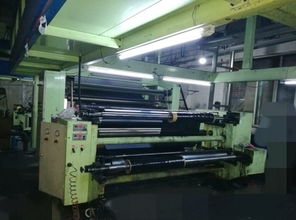
Single-sided equipment is the natural choice when only one surface performs the required function. Protective film with adhesive on one side, a release layer on one face, or specialty foil with a single active coating gains no value from processing the reverse side. Leaving that surface untreated may also be essential for bonding, printing, conductivity, appearance, or later converting.
Flexibility is another reason to select a single-sided film coating machine. Producers handling frequent changes in substrate width, chemistry, thickness, or order size can adjust one coating station without coordinating two wet layers. Development work and specialized batches benefit from a simpler cause-and-effect relationship among recipe, speed, die settings, drying temperature, and tension.
Two-sided products can still be made with separate passes. For modest volumes, that route may be more economical than dedicated integrated equipment, especially when side A and side B use different formulations, patterns, or drying profiles. The extra handling is acceptable when flexibility and lower utilization risk matter more than maximum throughput.
A double-sided coating machine becomes compelling when both surfaces are routinely coated and the second pass is a persistent constraint. Long campaigns with stable formulations can reduce rewinding, roll reversal, intermediate storage, and repeated startup losses. Both layers also move through one controlled production sequence, which can support tighter side-to-side timing.
Thin separator and membrane applications are a strong example. A membrane coating machine may need to place controlled functional layers on both sides while protecting a delicate substrate from stretch, wrinkles, or contact damage. The business case is strongest when the product family consistently needs two-sided treatment and enough volume exists to keep the integrated line productive.
Buyers still need to confirm whether each side has an independent pump, die, thickness adjustment, edge control, and drying setting. Shared controls may suit matched coatings but restrict products in which the two faces differ. The system earns its place by removing measurable labor, scrap, handling, or capacity losses rather than simply adding hardware.
Some conditions do not favor either option automatically. The two coatings may have different viscosities, one side may dry more slowly, or the substrate may be extremely thin and sensitive to thermal or mechanical stress. Different stripe patterns, edge margins, and future product changes can also make synchronization difficult.
Production condition | Usually favors | Point to verify |
One functional surface | Single-sided | Reverse side remains untreated |
Similar coatings, long runs | Double-sided | Dryer capacity at full wet load |
Different formulas by side | Case-specific | Independent pumps, dies, controls |
Stretch-sensitive membrane | Case-specific | Tension and non-contact handling |
Frequent recipe changes | Single-sided | Cleaning and setup time |
Tight side-to-side balance | Double-sided | Registration and measurement |
A production trial should reproduce the most difficult commercial condition, not the easiest recipe. Maximum width, thin substrate, high coat weight, and the slowest-drying formulation often reveal limits hidden during a simple demonstration. Greater integration can improve output, but it also increases the importance of commissioning, operator training, and preventive maintenance.
A useful specification begins with the process rather than a generic speed target. Substrate material, thickness, width, tensile behavior, surface energy, and allowable tension define how the web can be transported. Coating viscosity, solids content, temperature, wet thickness, and drying behavior then determine application and oven requirements.
Before comparing proposals, document the following:
● Substrate range, wet and dry coat weight on each side, chemistry and viscosity, thickness tolerance, edge position, operating speed at the actual recipe, dryer conditions, residual-moisture target, roll dimensions, inspection method, and changeover time.
● Ask whether “double-sided” means both faces completed within one line or simultaneous wet coating before drying. Confirm which settings are independent for side A and side B.
● Set measurable acceptance criteria for stable speed, thickness, edge quality, defect rate, yield, and continuous run duration.
These details help size the coating heads, pumps, tension zones, dryer, cooling section, and rewinder around the real process window rather than a best-case demonstration.

The TAILAI TLC-1 offers a practical single-layer configuration with slot-die coating, a maximum coating width of 1,400 mm, speed up to 90 m/min, and coating-weight accuracy of ±1%. Commercial speed will still depend on the slurry, coat weight, substrate, and drying load.
For two-sided membrane work, the TAILAI TLC-2 supports continuous coating at widths of 650 or 1,400 mm, with a dried coating thickness of 1–5 μm per side and thickness tolerance no greater than 0.5 μm. Its coating speed is at least 50 m/min and is matched to the oven length, illustrating why coating and drying must be evaluated together. The two models should not be compared as though they process identical materials or serve the same production objective.
A sound cost model uses accepted square meters rather than purchase price or nominal speed. Include energy, coating material, startup waste, labor, roll handling, cleaning, maintenance, downtime, floor space, and rejected output. Finish with a recipe-specific trial and written acceptance criteria to verify that the selected film coating machine can sustain the required quality and productivity.
Selecting the right configuration comes down to the product, not simply the rated line speed. A single-sided film coating machine offers greater flexibility for one-face treatment, changing recipes, and shorter runs, while a double-sided coating machine can reduce repeat handling when both surfaces require consistent layers. Drying capacity, tension control, coating tolerance, and accepted output should shape the final decision.
CHUZHOU TAILAI IMPORT&EXPORT TRADING CO.,LTD. supplies film and membrane coating machine options for different substrates and production requirements. Matching the equipment to the actual coating process can improve throughput, reduce avoidable waste, and support more stable product quality.
A: A single-sided machine coats one surface per pass, while a double-sided coating machine processes both surfaces sequentially or simultaneously, reducing repeated handling for two-sided products.
A: Not necessarily. Actual output depends on coating thickness, formulation, dryer capacity, web speed, changeover frequency, and the percentage of finished material that meets quality requirements.
A: Evaluate substrate thickness, tension stability, required coating uniformity, wet-layer handling, drying capacity, edge accuracy, and whether both sides need independent flow and thickness control.
A: Yes. The roll can be coated, dried, rewound, reversed, and processed again, although the second pass adds setup time, handling, energy use, and potential waste.
A: Focus on usable coating width, achievable thickness tolerance, operating speed at the intended recipe, dryer performance, tension range, defect control, changeover time, and accepted output per hour.


