Views: 0 Author: Site Editor Publish Time: 2026-07-26 Origin: Site


Engineers and procurement teams face a significant gap in modern nonwoven manufacturing. You cannot rely on generic chemical selection for stringent application requirements. Binders designed for general purposes often fail under real-world stresses. Misaligned binder properties lead to severe consequences. They cause premature substrate failure and poor tactile qualities. Production lines also suffer from serious bottlenecks. You might experience excessive foaming or delayed curing in your drying ovens. These issues drive up scrap rates and slow down output speeds.
You need a strict, evidence-based framework to evaluate chemical suppliers. We must move beyond basic data sheets. You should evaluate and shortlist the right acrylic solutions based on quantifiable performance metrics. Assessing these parameters ensures your final textiles meet rigorous quality standards. We will explore how to align chemical properties to specific high-stress applications. You will learn to navigate implementation realities safely. This proactive approach protects your production efficiency and enhances final product value.
Glass Transition Temperature (Tg) dictates functionality: Balancing tensile strength with desired hand-feel requires precise Tg alignment for specific end-uses.
Runnability is a hidden cost: High-shear stability and foaming resistance during application are just as critical as the final cured properties.
Application dictates formulation: High-stress use cases, like upholstery, require specialized properties compared to disposable or industrial filters.
Compliance shapes shortlists: Strict adherence to low-VOC, APEO-free, and formaldehyde-free standards is mandatory for modern supplier evaluation.
You must look beyond basic adhesion when selecting a non-woven coating emulsion. True success criteria involve direct impacts on business outcomes. The right polymer translates directly to reduced defect rates. It minimizes web breaks during continuous roll-to-roll processing. This reliability increases your overall equipment effectiveness (OEE). Premium emulsions also elevate end-product valuation. Customers pay a premium for materials displaying superior drape, enhanced durability, and consistent performance. You maximize profitability by engineering the textile finish correctly from the start.
Nonwoven manufacturing involves an inherent trade-off. You constantly balance mechanical integrity against fabric flexibility. Highly rigid binders provide excellent dimensional stability. However, they create a stiff, board-like fabric. Soft binders yield excellent drape but often lack structural strength. Acrylic polymers bridge this gap effectively. They utilize targeted cross-linking mechanisms to build internal networks. These networks offer resilient stretch and recovery. You can maintain a soft hand-feel while hitting critical tensile strength targets. The polymer chains absorb applied stresses without permanently deforming. This dual functionality is essential for premium textile applications.
Choosing the correct formulation requires evaluating the specific polymer backbone. Monomer selection dictates how the coating behaves under tension. You must align these chemical choices with your precise fabric requirements. A well-engineered binder prevents fiber shedding during subsequent converting steps. It locks individual fibers into a cohesive matrix. This structural lock does not compromise the textile’s natural bend. We recommend specifying your exact drape and strength requirements during initial supplier consultations. Clear targets prevent costly formulation revisions later in the development cycle.
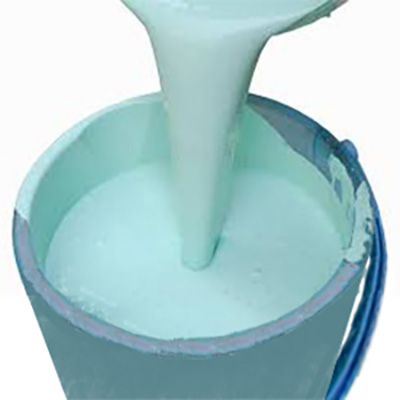
Evaluating the Glass Transition Temperature (Tg) is your most important technical step. Tg defines the exact point where a polymer transitions from a glassy state to a rubbery state. It dictates the film-forming characteristics of your binder. You must evaluate the Tg based on required stiffness or softness. A highly negative Tg creates a very soft, flexible film. A positive Tg yields a rigid, tough coating. You measure this parameter using Differential Scanning Calorimetry (DSC). Engineers must match the Tg to the operational environment of the final textile. If you choose an incorrect Tg, the fabric will either fail mechanically or feel entirely wrong to the consumer.
Mechanical durability requires rigorous benchmarking. You must evaluate tensile strength and elongation. Industry test standards provide the only objective baseline. We highly recommend utilizing ASTM D5034 or ISO 13934 methodologies. These grab tests quantify exactly how much force the bonded fabric withstands before rupturing. Elongation metrics show how far the fabric stretches prior to failure. Your chosen binder must complement the inherent strength of the base fiber. The coating should stretch concurrently alongside the nonwoven matrix. Mismatched elongation rates cause the coating to crack prematurely.
Washability and chemical resistance demand careful scrutiny. Many textiles undergo severe cleaning processes. You must assess the cross-linking mechanisms inside the polymer. Advanced self-crosslinking acrylics prevent severe degradation. They resist damage from dry cleaning solvents and harsh industrial washing detergents. Environmental exposure also degrades weaker binders quickly. You should request technical data detailing weight loss after standardized wash cycles. Strong covalent bonds within the cured film prevent the binder from swelling or dissolving. This chemical resistance ensures a longer functional lifespan for your products.
Substrate compatibility varies significantly across different fiber matrices. You must evaluate adhesion to specific materials. Polyester (PET) fibers require different wetting characteristics compared to Polypropylene (PP) fibers. Cellulosic fibers absorb water readily. They interact very differently with aqueous emulsions. Low surface energy materials like PP demand specialized adhesion promoters. You cannot assume a universal binder works equally well across all web types. We advise conducting peel adhesion testing for each unique fiber blend.
Reference Guide for Binder Tg and Fiber Compatibility
End-Use Application | Target Tg Range (°C) | Primary Fiber Compatibility | Key Performance Metric |
|---|---|---|---|
Soft Apparel / Wipes | -30 to -15 | Viscose, Cellulosic, PET blends | Superior hand-feel and drape |
Upholstery Backing | -10 to +5 | PET, Nylon | Abrasion resistance and anti-pilling |
Industrial Filtration | +10 to +30 | PP, Glass Fiber, PET | Chemical resistance and stiffness |
Geotextiles | -5 to +15 | PP, Heavy PET | High tensile strength and UV stability |
Furniture and upholstery demand highly specific chemical characteristics. You must carefully evaluate a sofa coating emulsion before full-scale production. Prioritize high abrasion resistance to survive years of consumer use. The coating must prevent individual fibers from migrating to the surface. Anti-pilling properties remain absolutely crucial here. Furthermore, the emulsion must provide a soft, non-tacky hand-feel. Tackiness causes severe fabric blocking during roll storage. If the binder remains sticky, unrolling the fabric tears the coating apart. You avoid blocking by selecting acrylics engineered for excellent surface slip.
Industrial and geotextile applications shift your focus entirely. These high-stress environments prioritize extreme durability over aesthetics. Weatherability becomes your primary concern. Outdoor textiles face constant ultraviolet radiation and severe temperature fluctuations. Acrylic polymers inherently resist UV degradation better than many alternative chemistries. They do not yellow or become brittle in sunlight. You must evaluate structural rigidity for civil engineering uses. The binder must lock heavy-denier fibers into a stable grid. This grid prevents soil erosion and handles massive mechanical loads. Laboratory QUV accelerated weathering tests verify these long-term survival capabilities.
Medical and hygiene products require extreme purity and specialized barriers. Evaluating a nonwoven fabric binder for these sectors involves stringent safety audits. Hypoallergenic properties are strictly mandatory. The coating cannot cause skin irritation or sensitization. Fluid repellency is often required for surgical drapes and gowns. You must formulate the binder to repel blood and other aqueous fluids effectively. Additionally, these textiles undergo severe sterilization protocols. The polymer matrix must survive gamma irradiation or ethylene oxide gas treatments. It cannot degrade, discolor, or off-gas toxic byproducts during these harsh sterilization cycles.
Theoretical polymer performance means nothing if the chemical fails on your production line. Viscosity and shear stability govern daily runnability. Modern coating machinery applies immense high-shear forces to the fluid. Pumping systems, doctor blades, and foulard mangles stress the emulsion continuously. You must ensure the fluid remains stable under these aggressive conditions. Poor shear stability causes the emulsion to break down prematurely. The polymer particles coagulate, creating massive lumps in your coating pans. These lumps cause severe line stoppages and damage expensive application equipment. We recommend running dynamic shear rheology tests before approving any new formulation.
Foam control and substrate wetting present constant operational challenges. High-speed applicators naturally entrain air into the liquid bath. If the emulsion foams excessively, bubbles transfer directly onto the textile web. These bubbles pop during drying, leaving devastating pinholes in the final film. You lose barrier properties instantly. You must evaluate the emulsion's inherent wetting agents and defoaming compatibility. A robust formulation wets out the fiber matrix completely and uniformly. It prevents dry spots and ensures even binder distribution. Selecting the correct surfactant package prevents surface tension defects entirely.
Curing dynamics directly dictate your factory output speed. You must assess precise drying times and specific temperature thresholds. Every emulsion requires a defined time-temperature profile to achieve full cross-linking. You need to know how these requirements align with your existing oven capacities. If a binder cures too slowly, you must slow down your entire line speed to compensate. This delay ruins factory throughput metrics. Conversely, if it cures too quickly, film formation becomes uneven. We advise mapping the curing profile thoroughly. Adjust your oven zones to ramp temperatures efficiently, ensuring complete moisture evaporation before the final cross-linking stage.
Modern supply chains demand flawless regulatory and environmental compliance. You must mandate transparent documentation from every chemical vendor. Strict adherence to APEO-free (Alkylphenol ethoxylate) formulations is non-negotiable today. You also require ultra-low VOC (Volatile Organic Compound) emissions to protect factory workers and end-users. Formaldehyde-free standards are heavily enforced in apparel and upholstery sectors. Do not accept vague assurances regarding chemical safety. You should implement a strict shortlisting rule. Disqualify any supplier failing to provide independent, third-party testing certifications for these specific regulatory standards.
Validation requires a disciplined pilot testing framework. You cannot scale up directly from a technical data sheet. We use a phased approach to mitigate financial risks during transitions.
Phase 1: Lab-scale drawdown tests. You apply the emulsion to small fabric swatches. This verifies the actual Tg, basic adhesion, and subjective hand-feel.
Phase 2: Dynamic mechanical analysis (DMA) and wash testing. You evaluate tensile retention after standardized laundering. You also measure exactly how the cross-linked film responds to continuous stress.
Phase 3: Short-run pilot line testing. You process a small master roll through actual factory equipment. This evaluates shear stability, foaming tendencies, and curing efficiency under real machine conditions.
Supplier transparency separates reliable partners from mere chemical distributors. You must evaluate manufacturers based on their technical openness. They must show absolute willingness to provide exact technical data sheets (TDS) and comprehensive safety data sheets (SDS). Beyond standard documents, they should offer custom formulation adjustments. True partners tweak wetting agents or cross-linker ratios to match your specific machinery. They collaborate actively during Phase 3 pilot trials. If a supplier refuses to adjust solid content or viscosity to resolve your line issues, remove them from your final vendor list immediately.
Binder selection is a precise engineering decision. It directly impacts your production efficiency and the final product lifespan. You cannot treat coating emulsions as generic commodities. Balancing mechanical integrity, chemical resistance, and runnability requires rigorous evaluation methodologies.
To successfully integrate a new binder, technical buyers and engineers should follow these actionable next steps:
Calculate your exact Tg requirements based on the fabric’s desired end-use flexibility.
Request specific wet samples from suppliers that match your targeted Tg and cross-linking parameters.
Demand complete TDS and SDS documents upfront to verify environmental compliance and basic physical properties.
Initiate Phase 1 lab-scale validation using your own factory’s base nonwoven substrates.
Audit your current oven profiles to ensure they can meet the curing dynamics of the proposed acrylic formulations.
A: The ideal Tg for upholstery applications typically ranges between -10°C and +5°C. This range provides a slightly soft, flexible hand-feel while maintaining enough structural rigidity to resist abrasion. Formulations in this bracket prevent the fabric from becoming too stiff or suffering from tackiness, which causes severe blocking during roll storage.
A: Acrylic emulsions offer far superior UV stability and exceptional resistance to yellowing over time. They perform significantly better in outdoor or highly exposed applications. SBR binders generally offer a lower upfront cost and strong initial mechanical performance. However, SBR degrades faster under sunlight and environmental stress, shifting the long-term cost-to-performance ratio in favor of acrylics.
A: You verify wash resistance using standardized AATCC or ISO 6330 wash and dry-cleaning cycle tests. After completing a set number of laundering cycles, you measure the fabric using ASTM tensile testing protocols. Comparing the tensile retention and elongation data against unwashed control samples reveals exactly how well the binder withstands chemical and mechanical degradation.


