Views: 0 Author: Site Editor Publish Time: 2026-07-31 Origin: Site


In high-volume packaging and fulfillment, tape is rarely just tape. The choice between standard clear and premium alternatives directly impacts brand presentation. It also determines your logistical efficiency on the warehouse floor. Both varieties rely on Biaxially Oriented Polypropylene film. However, their manufacturing processes dictate completely different use cases. Their unique adhesive formulations also play a critical role. Standard versions often develop a yellowish tint over time. Conversely, specialized variations maintain absolute visual clarity.
This guide breaks down the core technical distinctions and implementation realities. We help procurement teams choose the exact specifications required for their packaging lines. You will discover how subtle differences in adhesive chemistry impact daily operations. We will explore practical scenarios and strict compliance requirements. By understanding these nuances, you can optimize your shipping protocols. You will ultimately secure better performance for your specific fulfillment environments.
Visual Performance: Super clear packing tape offers "read-through" clarity with zero yellow tint, crucial for over-taping barcodes and branded packaging.
Adhesive Differences: Standard clear BOPP tape typically uses a hot-melt adhesive (high initial tack, prone to yellowing), while super clear options utilize high-grade water-based acrylics (UV resistant, long-term clarity).
Cost-to-Value: The slight premium for super clear tape is justified in scenarios requiring long-term storage, high-end retail presentation, or strict scannability compliance.
Scalability: Both tapes are available in machine-length jumbo rolls, but their application environments (temperature and humidity) dictate which will perform better on automated lines.
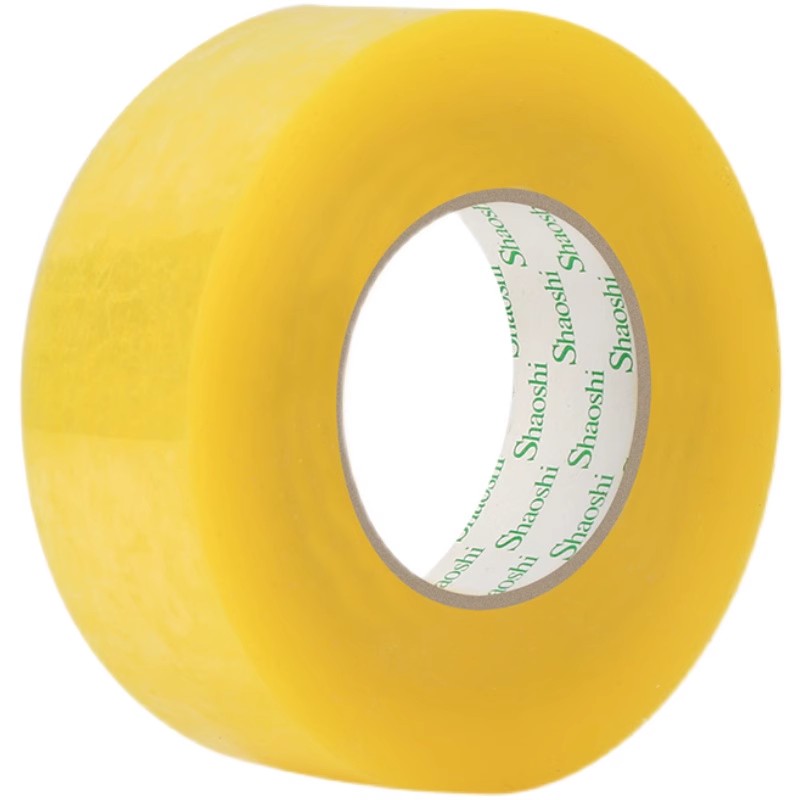
Every fulfillment operation needs reliable sealing solutions. Most facilities start their evaluation by looking at baseline materials. Standard clear BOPP tape represents the industry standard for general shipping. Technically, this material is see-through. However, the adhesive backing carries a distinct chemical makeup. This makeup creates a visible yellowish or cloudy tint. You can see this tint easily when you look at a full roll. The amber hue also becomes highly visible when you apply the material to pristine white boxes. For basic transit needs, this aesthetic compromise rarely matters.
Modern retail and e-commerce environments often require a significant upgrade. This is where super clear packing tape enters the conversation. Manufacturers produce this premium variant using highly specialized film treatments. They pair the treated film with purified adhesive solutions. This rigorous process eliminates the amber hue entirely. The resulting product offers true "read-through" transparency. It acts like a window rather than a plastic filter. Brands use it to protect intricate packaging designs. They also rely on it to secure external shipping documents without obscuring important text.
Your evaluation process should focus on specific success criteria. You should not simply ask which product performs better in a vacuum. Instead, ask which material meets your precise aesthetic presentation thresholds. You must also consider strict operational compliance requirements. Major fulfillment networks enforce rigid label readability standards. Choosing the right clarity level ensures you meet these guidelines. You can achieve this compliance while maintaining smooth, uninterrupted packaging lines. The correct selection optimizes your brand image and operational flow simultaneously.
The differences between these products begin at the molecular level. Film quality and strict manufacturing tolerances dictate the final optical performance. Manufacturers produce base films through a complex extrusion process. They stretch the polypropylene in two different directions. We call this a biaxial orientation. This stretching provides immense longitudinal and transverse strength.
Premium variants undergo much stricter quality control during this phase. Factories implement rigorous environmental monitoring. This prevents microscopic air bubbles from forming during the coating process. Even a tiny cluster of air bubbles can cloud the final finish. Standard rolls do not require this extreme level of atmospheric control.
The adhesive chemistry creates the most significant divide between the two categories. Different chemical bases provide completely different behavioral properties.
Standard Varieties: Manufacturers frequently utilize synthetic rubber or hot melt adhesives. This formulation delivers a very fast tack. It grabs onto corrugated surfaces almost instantly. The immediate bond feels incredibly secure. However, synthetic rubber degrades quickly under UV light. It oxidizes naturally. This oxidation produces the signature yellow tint over time.
Premium Clarity Varieties: These options rely exclusively on premium water-based acrylic adhesives. Acrylic offers a slightly slower initial tack. It requires a few minutes to fully cure into the cardboard fibers. Once cured, it provides permanent clarity. It resists UV radiation effectively. It will never bleed into the cardboard. It maintains its transparent nature indefinitely.
Long-term storage viability separates standard options from advanced clear solutions. Warehouse environments constantly expose pallets to fluctuating humidity and lighting. Standard rubber adhesives suffer from the "halo effect." The adhesive slightly oozes at the edges over time. It attracts warehouse dust and creates a dirty outline. Furthermore, the plastic yellows noticeably after several months on a shelf.
Acrylic solutions resist this degradation entirely. They maintain a pristine, glass-like look for months or even years. Products sitting in retail stockrooms or distribution centers retain their original unboxing aesthetic. The chemical stability of acrylic ensures the packaging looks freshly sealed upon delivery.
Performance Metric | Standard Synthetic Rubber (Hot Melt) | Premium Water-Based Acrylic |
|---|---|---|
Initial Tack Speed | Extremely Fast | Moderate (Requires curing) |
UV Light Resistance | Low (Yellows quickly) | High (Maintains clarity) |
Long-Term Transparency | Poor (Cloudy/Amber tint) | Excellent (True window effect) |
Edge Bleed (Halo Effect) | Moderate to High | Zero to Minimal |
Procurement teams must look beyond simple holding power. Modern logistics require materials to interact flawlessly with automated systems. Scannability compliance represents a major operational hurdle. Fulfillment centers rely heavily on automated barcode scanners. These lasers require absolute visual clarity to read tracking numbers accurately. Standard packaging materials often distort laser reflections. The slight cloudiness can trigger mis-scans.
These scanning failures disrupt automated sorting routing. Workers must manually intervene to correct the routing errors. This manual intervention slows down the entire facility. Premium clear solutions ensure zero distortion. The laser passes through the acrylic layer effortlessly. This guarantees high-speed sorting operations remain efficient and accurate.
Brand perception versus utility creates another critical evaluation dimension. You must assess the visual impact on the customer unboxing experience. High-end e-commerce brands often use custom white corrugated boxes. They invest heavily in printed packaging designs. Applying a cloudy, yellow-tinted strip across a premium logo damages the brand experience. Premium visual packaging absolutely demands pristine acrylic solutions.
Conversely, basic utility shipments follow different rules. Standard brown kraft logistics cartons do not require aesthetic perfection. They simply move goods from point A to point B safely. In these utility scenarios, standard synthetic rubber provides excellent mechanical performance. It matches the visual expectations of standard freight perfectly.
Switching materials on a fast-paced production line introduces operational variables. Application environment tolerances play a huge role in material performance. Standard hot melt struggles terribly in extreme cold. The rubber compound becomes rigid and brittle as temperatures drop. It loses its tackiness. It can easily pop off corrugated surfaces in freezing environments.
Acrylic-based solutions perform significantly better in cold storage. Once the acrylic cures onto the carton, it withstands freezing temperatures beautifully. It also handles high-humidity environments much better. Fulfillment centers located in extreme climates often switch to acrylic simply for its environmental stability.
You must also consider release tension during dispensing. Premium acrylic options often generate a different unwind noise. They pull off the roll with a slightly different tension profile. Automated case sealers are precisely calibrated machines. If you swap out a jumbo roll of rubber-based material for an acrylic one, the machine might stutter.
Maintenance teams may need to adjust the tension springs on automated sealers. Manual packers using hand dispensers will also notice a difference in the pull strength. Proper training and minor equipment adjustments eliminate these transition hurdles quickly.
Finally, substrate compatibility dictates actual real-world success. Premium transparent BOPP tape requires a clean surface to maximize its aesthetic advantage. Many companies use highly recycled corrugated boards. These eco-friendly boxes often carry a layer of loose paper dust.
If you apply a premium, glass-like strip over heavy dust, the dust sticks to the adhesive. The debris becomes highly visible through the plastic layer. This completely negates the visual benefits of the premium product. To achieve the true "invisible" look, you must pair high-clarity materials with high-quality, dust-free substrates.
Making the final selection requires a structured approach. You can categorize your operational needs using a simple use-case matrix. This matrix aligns specific material properties with your daily logistical realities. It prevents over-engineering your packaging while ensuring baseline quality standards.
Select Standard Clear When:
You exclusively seal standard brown kraft cartons.
Your operations involve high-turnover, short-term logistics.
You run general logistics operations prioritizing utility over aesthetics.
Your pallets move quickly through immediate cross-docking facilities.
Select Super Clear When:
Your packers regularly tape directly over shipping labels or barcodes.
You seal white, custom-printed, or branded e-commerce boxes.
Your products require long shelf-life storage in distribution centers.
Your facilities operate in cold storage or wildly fluctuating temperatures.
We always recommend running a controlled pilot test before updating your specifications. Secure a small batch of both material types. Test them directly on your specific corrugated boxes. You must conduct this test under your exact warehouse lighting conditions. Leave the sealed boxes in your storage racks for a full week.
This dwell time allows you to evaluate the true curing strength of the acrylic. It also lets you check for the halo effect on the rubber adhesive. Scan the barcodes through both materials using your actual warehouse scanners. This physical testing protocol reveals how the chemistry interacts with your specific environment. Only commit to jumbo roll contracts after verifying these real-world results.
Standard clear BOPP tape remains the undisputed workhorse of global logistics. Its fast tack and reliable hold make it perfect for general freight. However, premium super clear packing tape represents a necessary upgrade for specific operational environments. Brands prioritizing flawless visual integrity rely on its glass-like properties. Facilities requiring 100% barcode scannability depend on its zero-distortion finish.
You should always align your exact tape specification directly with your packaging substrate. Match standard materials with brown kraft. Pair premium clear materials with white or custom-printed boards. Consider the product lifecycle duration carefully. Goods sitting in long-term storage demand the stability of acrylic.
Take action today by requesting samples of both varieties. Consult with a packaging engineer to discuss your automated sealing machinery. Review the technical data sheets thoroughly. Pay close attention to adhesion ratings and micron thickness specifications to ensure absolute operational success.
A: Not inherently. Tensile strength depends strictly on the micron thickness of the base film. It does not depend on clarity. A 50-micron standard roll is fundamentally stronger than a 40-micron super clear roll. The adhesive type changes the visual appearance. It does not alter the physical tear resistance of the plastic itself. Always check the technical data sheet for micron ratings.
A: The yellowing originates directly from the hot melt adhesive. Manufacturers use synthetic rubber to create this backing. This material naturally carries an amber tint. When manufacturers spool the material tightly onto a roll, these layers stack up. This stacking multiplies the slight color into a distinct yellow or brown hue. Acrylic adhesives avoid this visual issue entirely.
A: It entirely depends on the adhesive chemistry. Acrylic-based options withstand freezing temperatures exceptionally well. They cure onto the carton and maintain their bond indefinitely. Standard hot melt varieties struggle significantly in these environments. The rubber adhesive becomes rigid and brittle in extreme cold. It often loses tack and pops off the corrugated surface completely.


