Views: 0 Author: Site Editor Publish Time: 2026-07-08 Origin: Site


Removing protective film should reveal a clean, ready-to-use surface—not sticky patches, haze, or adhesive marks that require extra cleaning. Yet residue can appear even when the film initially performed well, especially after prolonged storage, heat exposure, surface contamination, or an unsuitable adhesive-to-substrate match.
Understanding the failure pattern helps distinguish excessive adhesion from weak adhesive cohesion, poor film anchorage, or incorrect removal conditions. The sections below explain the main causes of protective film adhesive residue, how to diagnose surface protection film residue, and the practical steps that support cleaner, safer protective film removal.
A pressure-sensitive adhesive must perform two opposite jobs. It needs to hold the film in place under light pressure, yet later detach without splitting or transferring. Its performance depends on tack, peel adhesion, and cohesive strength.
Three bonds determine the outcome. Adhesion is the attraction between the adhesive and substrate; cohesion is the internal strength of the adhesive layer; anchorage is the bond between that layer and the film backing. Clean removal occurs when the surface interface releases first while the coating remains intact on the carrier.
If adhesion to the panel exceeds cohesion, the adhesive can divide through its thickness. When anchorage is weaker than surface adhesion, most of the coating may stay behind. A removable system therefore needs controlled peel strength, not the highest possible tack.
The appearance of protective film adhesive residue offers an immediate clue. Adhesive on both the peeled film and substrate usually indicates cohesive splitting; heavy transfer on the panel while the backing looks clean points toward anchorage failure. Thin haze or scattered deposits are more consistent with migration, contamination, or chemical interaction.
These patterns are more useful than calling the product “too sticky,” because each sends the investigation in a different direction. Crosslinking and coating conditions alter the balance between adhesion and cohesion, so similar-looking films can behave differently after storage or environmental exposure.
Aluminum composite panels, stainless steel, painted sheets, acrylic, glass, and textured plastics vary in surface energy, finish chemistry, and roughness. Greater contact area can raise peel force, while texture may let a soft adhesive flow into small grooves. Substrate surface energy and real contact area both materially affect adhesive performance.
A stronger film is therefore not automatically safer. Excess tack may help during forming, transport, or outdoor handling, but it can make removal difficult from a glossy or chemically compatible finish. Coatings, plasticizers, and processing aids may interact with the adhesive even when the base material seems suitable.
Pressure-sensitive adhesives continue wetting a surface after lamination. As dwell time increases, the layer conforms more closely to microscopic irregularities, changing peel behavior. Temperature also matters because peel force varies with temperature, removal rate, and peeling geometry.
Heat can soften the adhesive and promote deeper wetting, while prolonged thermal or UV exposure may reduce cohesive stability. Humidity can also change adhesive mechanics through moisture absorption. Several moderate exposures may combine during warehouse storage, hot transport, direct sunlight, heated processing, or delayed installation.
Shelf life and application life should not be confused. Shelf life concerns the adhesive or film before use, while the removal window defines how long laminated protection can remain on a specific surface under stated conditions. Residue often develops because that limit was never tested, recorded, or communicated.
When residue appears across many sheets or follows one production batch, the cause may lie in coating. Uneven coat weight creates zones with different peel behavior. Incomplete drying, poor mixing, or inconsistent curing can reduce cohesive strength, while weak treatment of the film backing can undermine anchorage.
Crosslink density requires balance. Crosslinking generally strengthens cohesion, but excessive rigidity can reduce wetting and initial adhesion. Too little crosslinking may leave the adhesive soft and prone to splitting. The formulation must balance tack, peel adhesion, and internal strength throughout the intended application period.
Oil, dust, moisture, fingerprints, release agents, polishing paste, and cleaner residue can disrupt the interface. Some contaminants lower adhesion and cause bubbles or edge lifting; others soften the adhesive or create localized transfer. Their effect depends on type, thickness, viscosity, and chemical compatibility.
Patchy surface protection film residue therefore calls for a surface audit before the formulation is blamed. Marks near handled edges, fabrication stations, heaters, or recently cleaned areas suggest a local process condition. Uniform transfer across the sheet is more consistent with adhesive selection, aging, or coating failure.
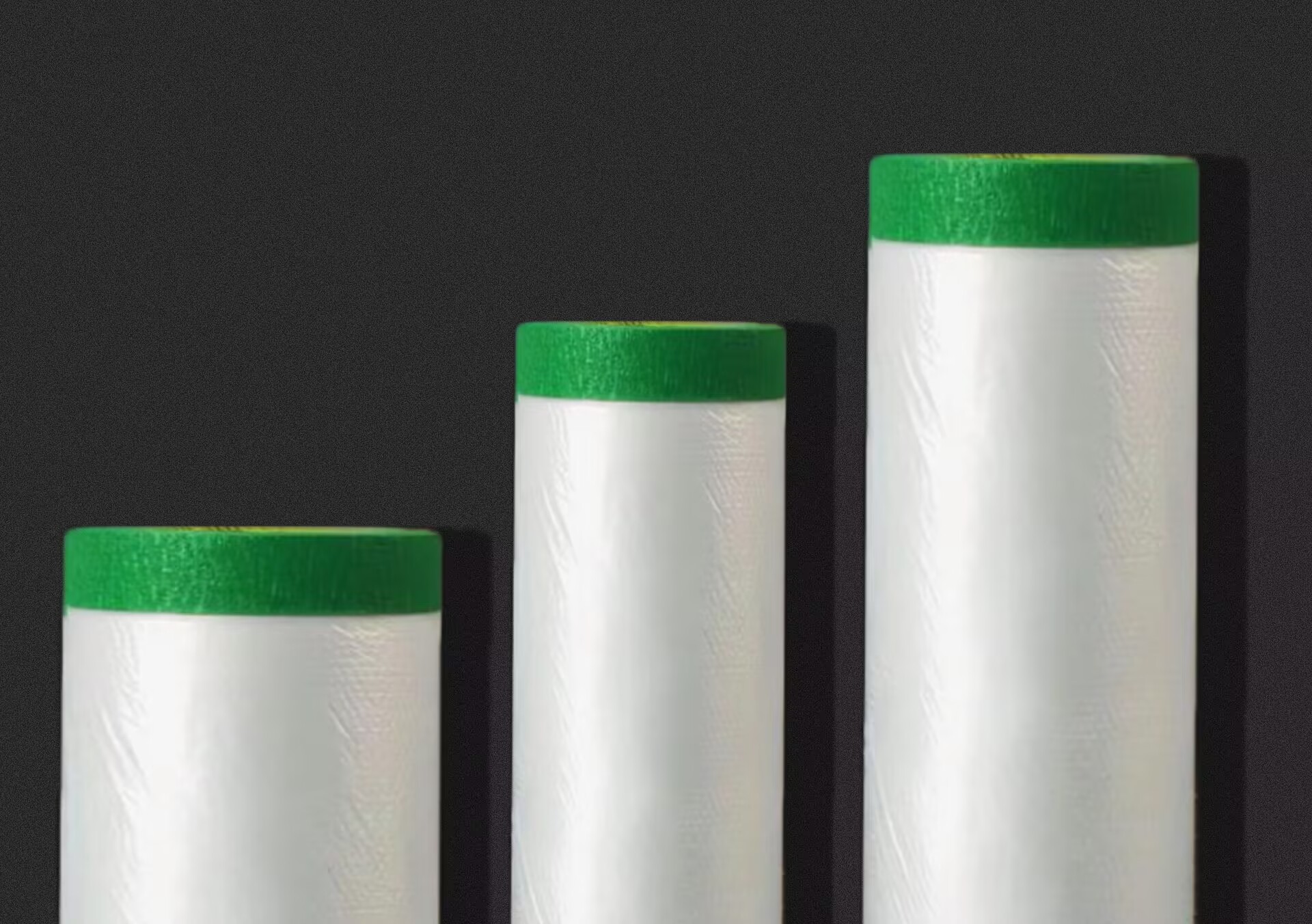
Examine the protected surface and the removed film together. Do not clean the panel or discard the backing until the failure has been documented. The table below turns visible symptoms into a practical first check.
What appears after protective film removal | Likely issue | Check first |
Adhesive remains on both film and substrate | Cohesive splitting | Heat, UV, dwell time, adhesive cohesion |
Heavy transfer remains while the backing looks clean | Weak film anchorage | Coating, drying, backing treatment, batch consistency |
Thin haze or oily marks appear | Migration or chemical interaction | Coatings, additives, cleaners, plasticizers |
Residue occurs only in selected areas | Local heat or contamination | Handling points, heaters, sunlight, pressure distribution |
Film stretches, tears, or becomes harder to peel | High peel force or aged backing | Temperature, application time, removal method |
Visual inspection provides a working diagnosis rather than laboratory proof. It narrows the investigation and discourages random changes that may introduce new problems without correcting the original cause.
Trace the material from coating to removal. Record film and substrate batch numbers, lamination and removal dates, storage and transport conditions, outdoor exposure, fabrication steps, cleaning methods, and removal temperature.
Compare the affected sheet with an unaffected batch, retained roll, or recently laminated control. A small controlled peel test on the production surface can indicate whether the problem follows the substrate, adhesive batch, exposure history, or removal process.
When one handled zone fails, investigate contamination, localized pressure, or heat. When every sample from one roll fails similarly, review coating and adhesive data. Separating isolated incidents from batch-wide defects prevents unnecessary material changes and helps identify the corrective action more quickly.
Film performance comes from both formulation and converting conditions. Viscosity and solid content influence coating behavior, while drying, coat weight, crosslinking, and backing anchorage determine whether the layer remains intact during removal. Trial production should evaluate both immediate and aged peel performance.
Tailai offers residue-resistant protective film adhesives for surface protection systems using PE, PP, and PET carriers. Tack, viscosity, and solid content can be adjusted for different coating processes, substrates, and application requirements.
TL-6177 is a medium-tack water-based acrylic pressure-sensitive adhesive designed for smooth aluminum composite panels, stainless steel sheets, and aluminum sheets. It has a solid content of 43 ± 1%, viscosity of 50–160 mPa·s, and 180-degree peel strength of 1.3 ± 0.5 N. These parameters should still be validated under the user’s actual coat weight, drying conditions, aging cycle, substrate finish, and target removal window.
Laminate only onto a clean, dry surface after approved cleaners have fully evaporated. Pressure should be uniform and sufficient for consistent contact, not increased without limit to compensate for weak initial adhesion. Excessive lamination pressure may accelerate wetting and increase later peel force.
Record the lamination date and protect covered products from uncontrolled heat, freezing, sunlight, and prolonged moisture. Warehouse position, window exposure, hot vehicles, outdoor staging, and construction delays should all be considered when evaluating residue risk.
Tailai water-based surface-film adhesives should be kept in a cool, dry, ventilated environment and protected from freezing and direct sunlight. TL-6177 should remain in its original packaging at 5–30°C in a dark, dry, clean, and ventilated storage area.
Storage controls must continue after the adhesive has been converted into protective film. A correctly formulated coating can still fail if laminated products remain exposed beyond the conditions used during validation.
Do not base the removal date on guesswork or a universal industry number. Validate peel performance after realistic dwell periods that include anticipated UV, temperature, humidity, transport, and fabrication conditions. Testing should confirm that the film remains secure during use, peels without tearing, and leaves no protective film adhesive residue at the latest permitted date.
Communicate that date to production teams, distributors, installers, and customers. Add application or removal information to labels, production records, or packaging where long supply chains make the timeline difficult to track.
Recheck a small area before full removal whenever storage exceeds the plan or exposure is more severe than expected. This is particularly useful when products have been delayed at a construction site, stored outdoors, transported in hot conditions, or processed at elevated temperatures.
Allow unusually hot or cold material to stabilize within the approved working range before peeling. Lift an accessible edge without cutting into the finish, fold the film back toward itself, and remove it with a smooth, controlled motion. Avoid jerking, pulling sharply away from the panel, or repeatedly stopping and restarting.
One universal peel angle or speed should not be imposed on every film. Adhesive release changes with peel velocity, angle, film construction, temperature, surface type, and dwell time. Follow the validated procedure for the particular application and pause if the backing stretches, tears, or begins leaving progressively more protective film adhesive residue.
A sudden increase in peel force should be treated as a warning. Continuing to pull aggressively may split the adhesive, tear the backing, or damage a sensitive coating.
Isolate the affected material and photograph the residue before cleaning. Test a substrate-approved cleaner in a hidden area, then work gently with a soft, lint-free cloth. Razor blades, abrasive pads, rough fibers, and unverified aggressive solvents can turn a removable adhesive problem into permanent scratching, gloss change, stress cracking, or coating damage.
Retain samples of the film, residue, and panel when the issue may require technical analysis. Batch records, storage history, and photographs can help distinguish a formulation problem from surface contamination or excessive exposure.
Cleanup should restore the surface, but it does not close the investigation. The lasting corrective action must address the real source—adhesive mismatch, contamination, coating conditions, environmental exposure, excessive dwell time, or an unsuitable removal method.
Protective film adhesive residue is rarely caused by one factor. Clean release depends on matching tack and cohesion to the substrate, controlling coating and storage conditions, limiting heat and UV exposure, and completing protective film removal within a tested timeframe. Residue patterns can then help trace whether the failure began with contamination, aging, weak anchorage, or an unsuitable adhesive.
CHUZHOU TAILAI IMPORT&EXPORT TRADING CO.,LTD. supplies water-based acrylic pressure-sensitive adhesives and surface protective film materials for different substrates and tack requirements. Careful product selection and application testing can reduce surface protection film residue, cleaning work, and avoidable production delays.
A: Residue usually forms when excessive heat, UV exposure, prolonged application, surface contamination, or unsuitable adhesive strength disrupts the balance between adhesion, cohesion, and film anchorage.
A: Properly selected film should remove cleanly within its rated application period. Residue risk rises when exposure limits are exceeded or the film is incompatible with the surface.
A: Use a cleaner approved for the substrate, test it on a hidden area, and wipe gently with a soft cloth. Avoid abrasive tools and unverified solvents.
A: Controlled heat may soften some adhesives and reduce removal force, but excessive heat can cause adhesive splitting or damage sensitive finishes. Follow the film’s validated removal procedure.
A: There is no universal limit. The safe removal window depends on the adhesive, substrate, indoor or outdoor use, temperature, UV exposure, and manufacturer-tested application period.
A: Match the film to the actual surface, apply it to clean and dry material, control storage conditions, limit environmental exposure, and remove it within the tested timeframe.


